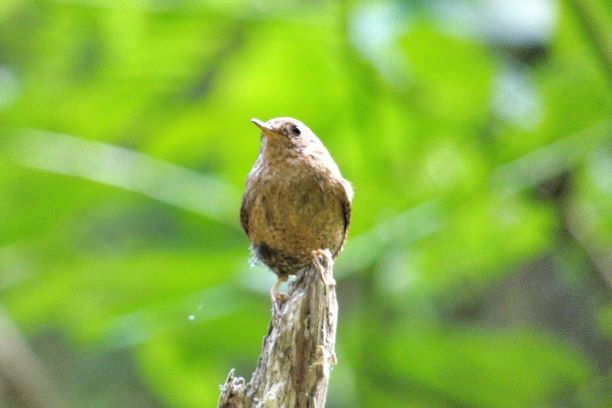

One of the joys of birding is that every outing is a scavenger hunt. You never know what you will find and there are often surprises. Looking for Green Herons epitomizes this kind of “hunt” where the only shooting is the click of a camera. But that only happens if you find one.
Green Herons are elusive. They breed here in the Pacific Northwest and forage in our wetland and riparian areas during July and August. I enjoy searching for them on foot or via canoe. Sometimes, despite my best efforts, I do not find them. Sometimes, I only glimpse a fly-by; and sometimes I hit the jackpot as I did recently when two were perched together on the same shrub in a peaceful Lake Washington cove. Bliss!

Once I saw a dozen while canoeing the Black River, south of Olympia. This slow-flowing, meandering river with overhanging trees is reminiscent of warmer, subtropical places. It is western Washington’s version of bayou country and it provides ideal Green Heron habitat.
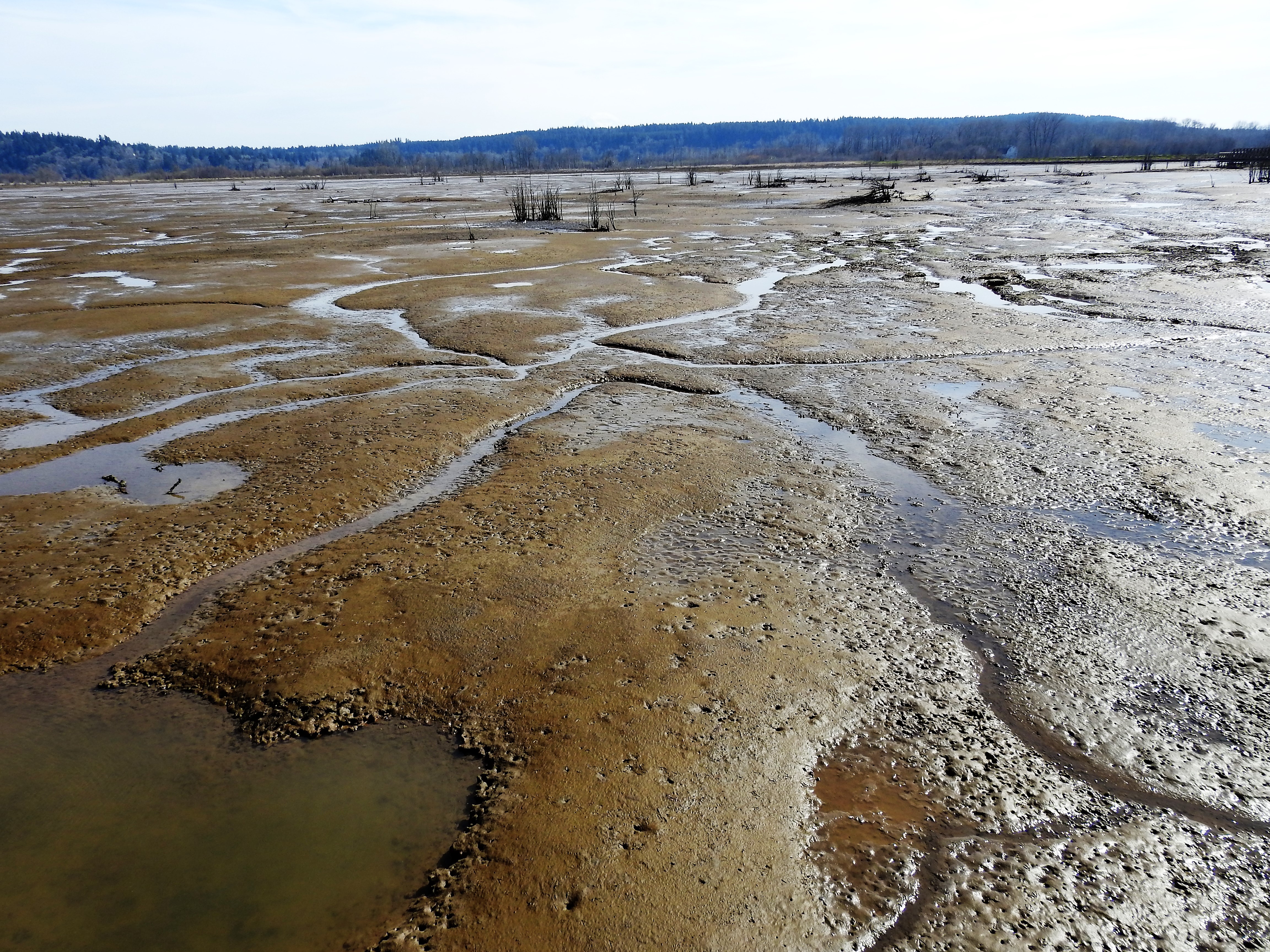
Their habitat makes it difficult to find them – a bit like hide and seek. The foraging areas they prefer are in dense riparian vegetation in water four inches deep or less. This niche reduces competition from long-legged herons like the Great Blue that prefer deeper waters.
To find Green Herons, the Cornell Lab of Ornithology’s All About Birds website offers this advice: “Visit wetlands and carefully scan the banks looking for a small hunch-backed bird with a long, straight bill staring intently at the water. Their harsh “skeow!” call is also a good clue.” In addition, I have noticed that their unusual flight pattern with slow wing beats and a profile that resembles a crow or kingfisher without a tail is diagnostic. They are roughly half the size of a Great Blue Heron.

Green Herons are one of the only bird species that use tools to fish. They create lures from bread, insects, and feathers, and then drop them onto the water surface to entice small fish. Then they crouch patiently to surprise fish by striking them with their sharp bill. Their diet consists mainly of small fish but they also eat insects, amphibians, reptiles, and rodents.

Although Green Herons are still common, their population is declining. This is primarily due to the loss of their wetland habitat from draining and development. Saving wetlands is key to the preservation of numerous species like the Green Heron.
It is incumbent upon us to protect and restore wetlands for the myriad benefits they provide. As the National Park Service states: “Wetlands are highly productive and biologically diverse systems that enhance water quality, control erosion, maintain stream flows, sequester carbon, and provide a home to at least one third of all threatened and endangered species.” Saving nature in its most biologically diverse places (wetlands) equates to saving ourselves.