
After 56 years, I finally returned to Oaxaca—this time with Lori and longtime friends Bill and Denise. I first visited as a college student and was impressed even then, but this visit far exceeded our high expectations. Between a Naturalist Journeys tour and three days of independent exploration, Oaxaca delivered in every way.
The last time I was here, it was my 21st birthday. I was a Wildlife Biology student at the University of Montana, studying Mexico’s forest management practices for a Cultural Landscapes class. I stayed with families in Morelia and Uruapan, Michoacán, for three months, studying Spanish and completing an independent study of forestry practices. During that time, several classmates and I took a memorable side trip to Oaxaca.
Today’s Oaxaca is a culturally rich city alive with art, music, parades, and weddings. Parks and plazas buzz with activity, markets overflow with people and color, and the food is unforgettable.


The food is not basic Mexican fare: it is smoky mole served with chicken, seafood, mushrooms, and roasted vegetables, all wrapped in freshly made corn tortillas cooked over wood‑fired stone ovens. It was some of the best I have ever tasted, given my preference for Mexican cuisine.
Weddings here are exuberant street spectacles, complete with towering bride‑and‑groom statues, brass bands, fireworks, dancing, and parades marching down city streets to the blare of tubas and trumpets. At night, flags, murals, and festive lights illuminate cobblestone streets and centuries‑old buildings. Entertainment is as simple as stepping outside.


A short walk from our lodging brought us to the Zócalo, a pulsing hub surrounded by a grand cathedral, artisan stalls, markets, and a constant swirl of people and activity. From there we walked to Santo Domingo Cathedral to meet my friend Ella, who winters in Oaxaca and spends her days volunteering, studying Spanish, and immersing herself in the city’s culture.

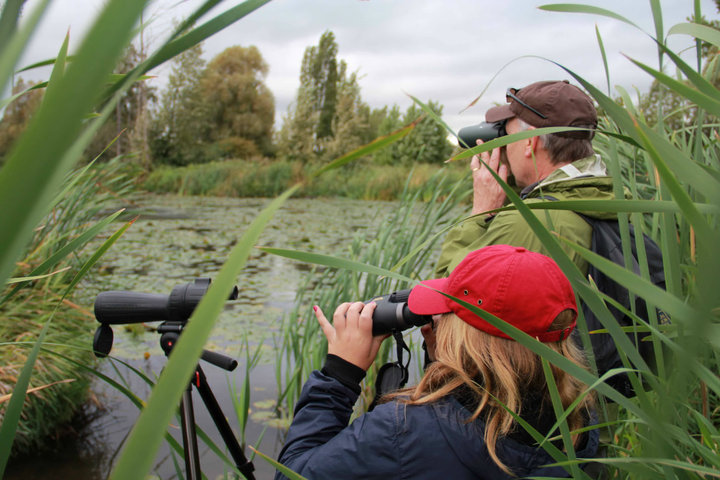
Our Naturalist Journeys tour, expertly guided by field biologist Eric Martinez, took us birding through valleys, wetlands, and highlands, with temperatures ranging from near freezing to 88 degrees. We visited textile workshops and a coffee farm, and explored the magnificent Zapotec ruins of Mitla, Yagul, and Monte Albán. At Monte Albán, we stood atop a once‑vast hilltop city of some 30,000 people, precisely aligned north to south and offering breathtaking views of three valleys. Our guide not only interpreted these sites with insight—he represented them. Martinez has Zapotec heritage, adding depth and meaning to his storytelling.

Mexico is one of the world’s most biodiverse countries for birds, serving as a bridge for both North American and Central and South American (Neotropical) species. It is home to between 1,136 and 1,147 bird species, ranking 11th globally for bird diversity.


White-fronted Parrot/Bumblebee Hummingbird/Western Tanager/Painted Bunting
During our trip we recorded 240 bird species, including 18 species of hummingbirds (there are only 15 in the entire United States), 49 life birds (never seen before), and 27 endemic species found only in Mexico. I was fascinated to see so many familiar breeding birds from our area wintering in Mexico’s high elevation pine forests—Western Tanagers (I have never seen so many), Wilson’s and Yellow Warblers, Warbling Vireos, Hammond’s Flycatchers, and Rufous and Calliope Hummingbirds among them.

We also visited the legendary Tule Tree—the widest tree in the world—so cherished that a highway was rerouted to protect it. From Monte Albán, we climbed into the cool, pine‑covered Sierra Madre, finding endemic birds such as the White‑throated Jay and Mountain Trogon with Eric’s expert assistance informed by his personal research. Then we descended to the Pacific coast to spend our final days birding tropical forests and coastal habitats near Huatulco.
It was an extraordinary trip to an extraordinary place, rich in both natural and cultural history. We will be back—at least to Mexico, and quite possibly to Oaxaca again. Want to go on this trip? Contact Naturalist Journeys https://www.naturalistjourneys.com/